File this one under the “maybe it’s true, but who really knows” category: the <at some point in time> future owner of the Chicago White Sox is purchasing a large plot of land on the South Side, and speculation is that it could be the home of a new Sox stadium.
There are multiple elements to this rumor: the land purchase, the size of the land, and the Sox’s ownership situation. Let’s dig in and see what’s what.
What is the White Sox’s current stadium situation?
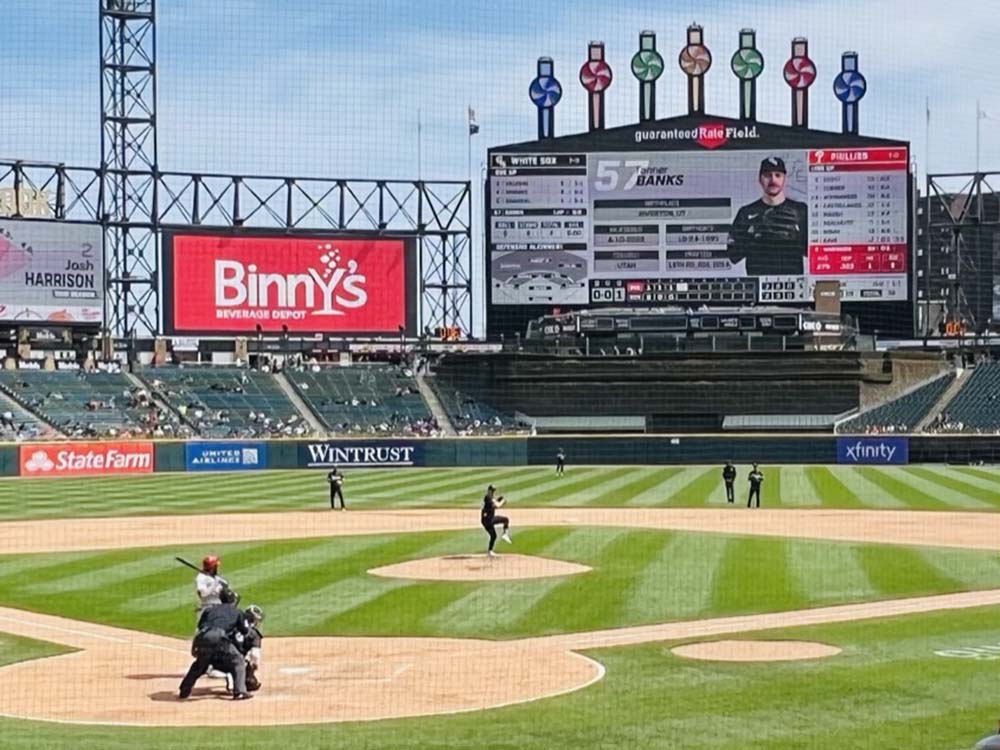
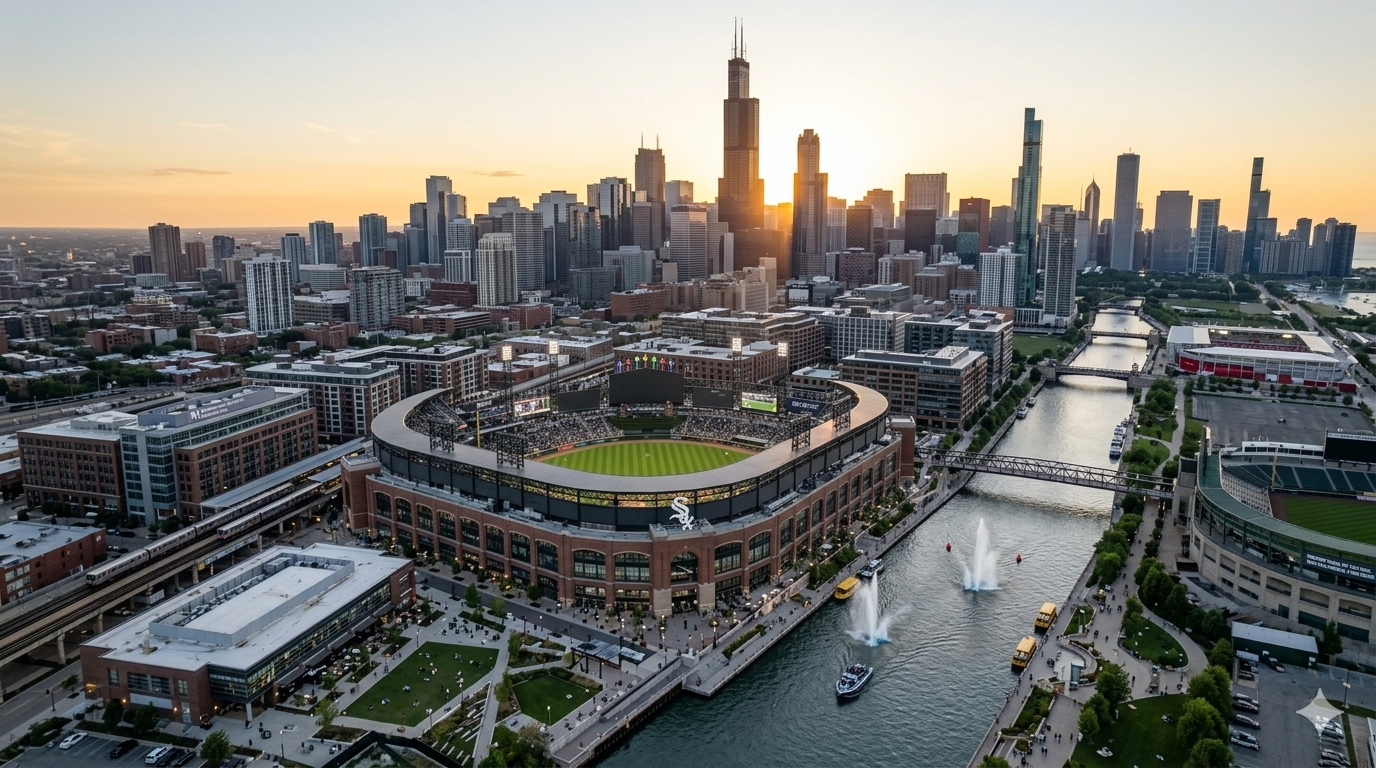
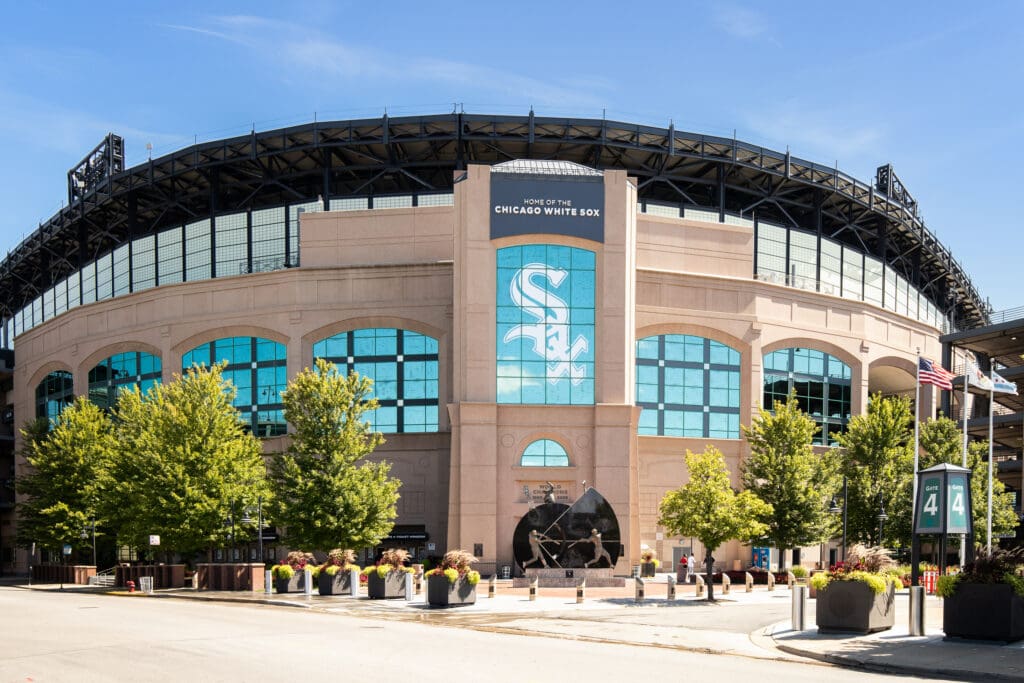
Comiskey Park II / U.S. Cellular Field / Guaranteed Rate Field / Rate Field was built in 1991, making it, currently, the eighth-oldest ballpark in MLB. But when you account for the fact that ballparks like Wrigley, Fenway, and Dodger Stadium are beloved recently renovated landmarks that aren’t going anywhere, and Rogers Centre just underwent a massive renovation of its own, we’d say it’s more accurate to describe Rate Field as, functionally, the fourth oldest stadium, behind Angel Stadium, Kauffman Stadium (which will be replaced by 2032), and Tropicana Field (which has neverending stadium drama of its own).
The White Sox’s current lease runs through the 2029 season, and they have said they have no intention of extending their stay at the ballpark. But for those keeping track at home, it’s just about opening day in 2026, and opening day in 2030 is four years away. Based on the construction timeline for most other ballparks, the Sox seemingly have one year to figure this all out before timing becomes a challenge.
Where is the land that is being purchased?
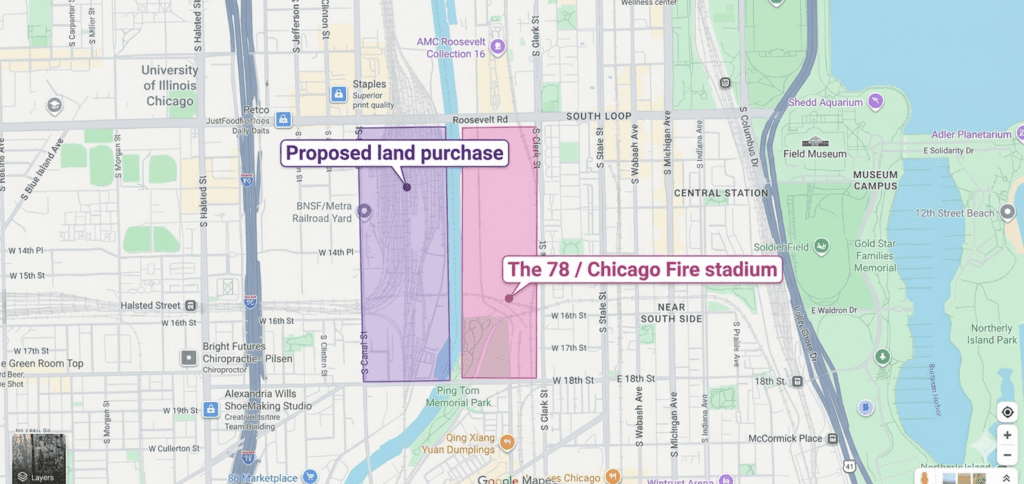
It’s on the south side of downtown Chicago, where a current Amtrak railyard sits. But more interestingly, it’s directly across the Chicago River from the site of the new Chicago Fire stadium, which is being built on a plot of land called “The 78” that the White Sox were reportedly interested in. But while their front office was running around City Hall and the State House looking for taxpayer money to build their private business asset, Fire owner Joe Mansueto swooped in to claim the spot. The Fire have already broken ground on what will be a privately financed stadium, and it took just eight months to go from new stadium announcement to the start of construction. The Fire’s stadium is scheduled to open in 2028.
That nifty move left the White Sox scrambling for a potential Plan B. But their ownership situation makes things even more complicated.
Which owner will be building this potential new stadium?
Well, it seems like owner-in-waiting Justin Ishbia may be the one to deliver a new Sox ballpark – and it’s his venture capital firm that is reportedly purchasing the land.
But the complication is the “in-waiting” part.
In June of 2025, Jerry Reinsdorf and Ishbia reached an agreement on a future sale of the team. But it was one of the oddest sale agreements in recent memory:
- From the time the deal was struck until some future undisclosed point in time, Ishbia is making investments in the team that will help pay down existing debt and fund operations. It is unclear if he will receive equity in the team for that investment.
- From 2029-2033, Reinsdorf will have the option to sell a controlling interest in the team to Ishbia. But he also has the option to not do that.
- After the 2034 season, Ishbia will have the option to acquire a controlling interest in the team. But he also has the option to not do that.
And let’s face it: 2034 is a long way away. What if a better ownership opportunity comes along before then that is more appealing than the White Sox? What if the Angels are put back up for sale in the country’s #2 media market? Or the Twins, which the Ishbia brothers considered buying before turning their attention to the White Sox? Or the Pirates, with their beautiful ballpark on the River and an unpopular owner that the fans hate? Or the Nationals, who have been flirting with a sale for years?
Without knowing with 100% certainty that he will own the team prior to 2034, if at all, why would Ishbia want to build a stadium for the Sox to potentially relocate to after the 2029 season, when their lease at Rate Field expires?
Our guess is he’d be very unlikely to do that, unless the Sox agreed to be long-term tenants, even if there was no acquisition of the team. But in that case, any potential owner other than Ishbia would surely balk at buying the team, because owning the stadium (and the land around it) is pretty much a dealbreaker in sports franchise ownership deals these days.
In the event that Ishbia decided to wait to build the stadium until after he acquires it, the White Sox would be faced with quite a challenge in 2029: negotiate an extension at Rate Field (which they have said they are not interested in doing, and which the city is under no obligation to agree to), find a temporary place to play for the short term (don’t even think about Wrigley), or relocate. It’s unknown if Ishbia’s purchase agreement prohibits the team from being moved from Chicago, but rumors of a White Sox relocation have been ongoing in recent years.
Is this plot of land even appropriate for a baseball stadium?
Early reports suggest that, while the parcel being purchased is 47 acres, the property’s width may make it challenging to accommodate a baseball stadium. Check out this illustration, which hypothesizes that ballparks like Wrigley or Fenway would fit in that spot, but that newer-generation stadiums possibly wouldn’t.
Which begs the question: why fit a 21st-century stadium onto a piece of land that may be too small to build what the public would expect from a new venue? Or, for that matter, what the team might want to build?
Well, that may be a question that Justin Ishbia is already considering. And maybe the Amtrak property isn’t going to be the home of the stadium after all.
Rumors persist that the White Sox are still interested in building a stadium next door to the Fire’s new building, and reports are that there is plenty of room to do so. The Fire only purchased 10 of the 62 acres in the area, and Related Midwest, the owner of the property, continues to control the rest. The expectation is that Related will collaborate with the Fire to create a mixed-use development around the stadium.
But maybe that’s what the land across the bridge could be for? Perhaps this is a way to satisfy the interests of the Fire and Related Midwest on the development side, in return for creating a “stadium district” at The 78.
But why would the Fire, or Related Midwest, be interested in sharing?
That’s easy: because a baseball stadium brings foot traffic to an area 80+ times a year, while a soccer stadium does so about 20-30 times per year. There’s no way to get around it: of all the sports arenas that can be built, the most valuable are combined NBA/NHL arenas, which typically host 120+ events per year. Then it’s baseball stadiums. But football and soccer stadiums usually don’t generate the same level of foot traffic that is so valuable to restaurants, bars, and retail stores.
So what will actually happen here?
Like we said … nobody knows. We don’t think that Justin Ishbia will be building a new stadium until he knows he will be the owner of the team that will play in it. If he’s 100% certain that he will acquire the team no later than 2034, and that, in the interim, the team would be a tenant at a new ballpark, that might be all the guarantee he needs to put shovels in the ground in 2027.
But if that doesn’t come to pass, the land being acquired could be used for plenty of things other than a baseball stadium. Reports have suggested that the spot could also be home to a Northwestern Medical facility, which makes sense because Ishbia serves on the hospital’s board of directors.
So the bottom line is: nobody knows. The only certainty is that after the 2029 season, the White Sox will need a new lease or a new home. And the clock is ticking.
Next steps for fans
The only action item for fans is: if you haven’t been to Rate Field and want to see it, you should plan a trip in the next four years (which gives you at least two opportunities to see your team play there, given MLB’s rotating schedule). While Rate Field is much maligned, the truth is that it’s a perfectly decent place to see a baseball game once you’re through the gates. The ballpark has excellent food, great sightlines, and is on the less-expensive side of the spectrum for baseball experiences. For more info, check out our Ultimate Guide to Rate Field.